Many problems – how do we fix them
Acne is one of the most common skin conditions, often caused by excess oil, clogged pores, bacteria, and hormonal fluctuations. It can affect people of all ages and is frequently a source of frustration and lowered confidence.
A simple but effective step in acne management is regular cleansing. Washing the face gently twice a day removes dirt, oil, and impurities that can lead to breakouts, while avoiding harsh scrubbing prevents irritation.
Hydration also plays a vital role in maintaining balanced skin. Drinking sufficient water each day supports overall health and helps regulate oil production, reducing the likelihood of clogged pores.
Diet is another important factor. Consuming fruits, vegetables, and foods rich in zinc and omega-3 fatty acids can lessen inflammation. These nutrients are known to support skin repair, regulate hormones, and contribute to clearer complexions.
Reducing direct contact with the face helps limit the transfer of bacteria and oils from the hands to the skin. Repeated touching of the skin may worsen acne and slow healing.
Stress management is equally valuable. Exercise, meditation, or other calming practices help regulate stress hormones, which are linked to increased breakouts in many individuals.
Consistency is essential when applying natural approaches to skincare. Habits such as gentle cleansing, hydration, and proper nutrition take time to show results but provide lasting benefits.
Natural lifestyle adjustments offer a safe and supportive way to improve acne. By focusing on daily routines that nurture the skin, many people experience not only reduced breakouts but also healthier and more resilient skin overall.
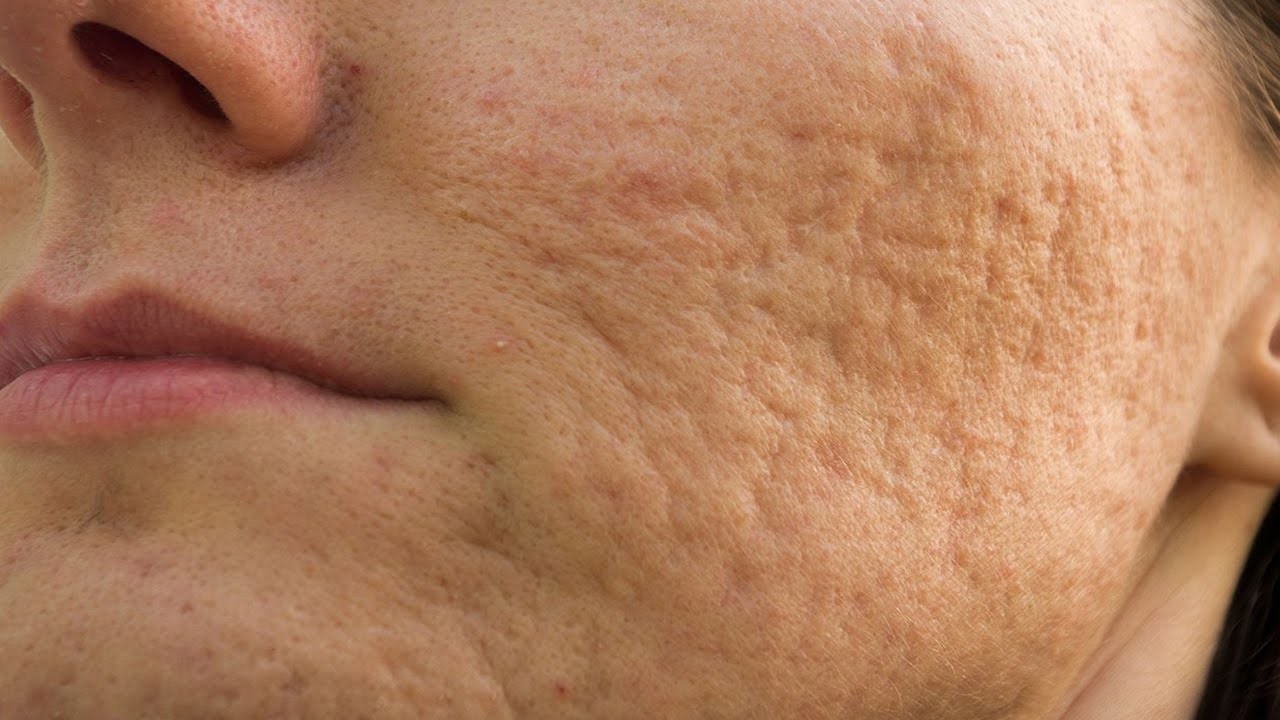
Acne can be a frustrating skin condition that affects individuals of all ages, particularly women. While hormonal changes and genetics play significant roles in acne development, several external factors can also contribute to clogged pores and breakouts.
Understanding these triggers is essential for effectively managing acne and maintaining clear, healthy skin.
Makeup Residue:
Makeup products, especially those containing heavy oils and comedogenic ingredients, can clog pores and lead to acne breakouts.
It’s crucial to remove makeup thoroughly before bedtime to prevent pore congestion and allow the skin to breathe overnight.
Excessive Sebum Production:

Overactive sebaceous glands produce excess oil, which can accumulate in the pores and mix with dead skin cells, dirt, and bacteria, resulting in clogged pores and acne.
Managing sebum production through proper skincare and lifestyle habits is key to preventing breakouts.
Poor Cleansing Habits:
Inadequate cleansing can leave behind dirt, sweat, and environmental pollutants on the skin’s surface, contributing to pore congestion and acne development.
Using a gentle cleanser twice daily helps remove impurities and prevent pore blockages.
High Humidity and Sweat:
Humid environments and excessive sweating can increase oil production and trap impurities in the pores, leading to acne flare-ups.
Regularly washing the face and using non-comedogenic skincare products can help combat the effects of humidity and sweat on the skin.
Unhygienic Phone and Pillowcase:
Bacteria and dirt from unwashed hands, phones, and pillowcases can transfer onto the skin, causing pore blockages and acne.
Keeping these items clean and practicing good hygiene habits can minimize bacterial contamination and reduce the risk of breakouts.